How can human rights leaders better organise against anti-rights forces?
1st October 2026
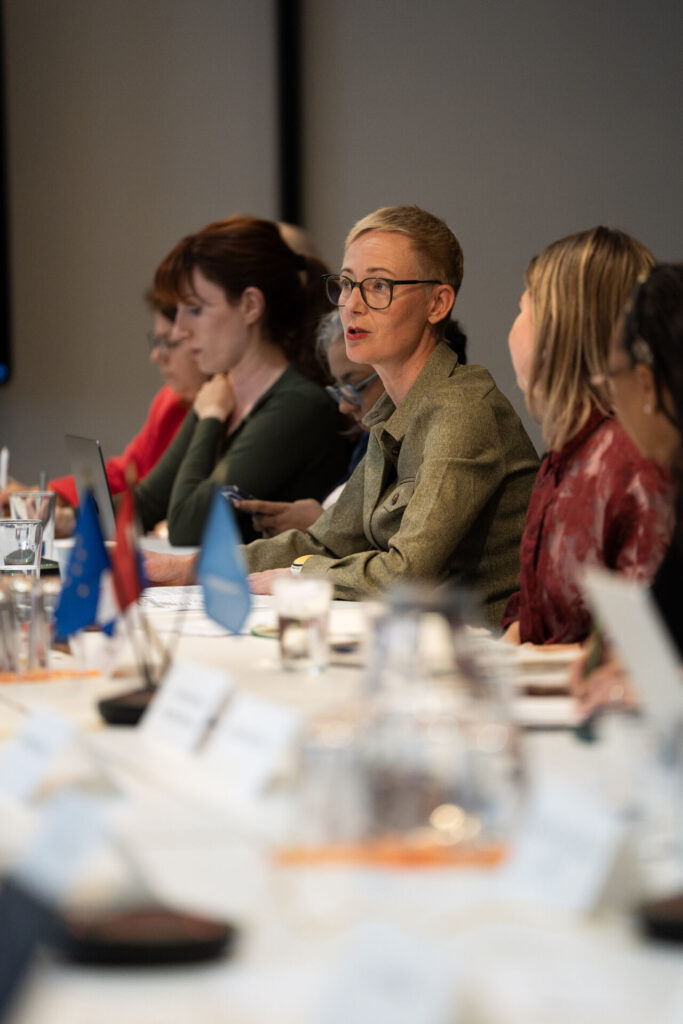
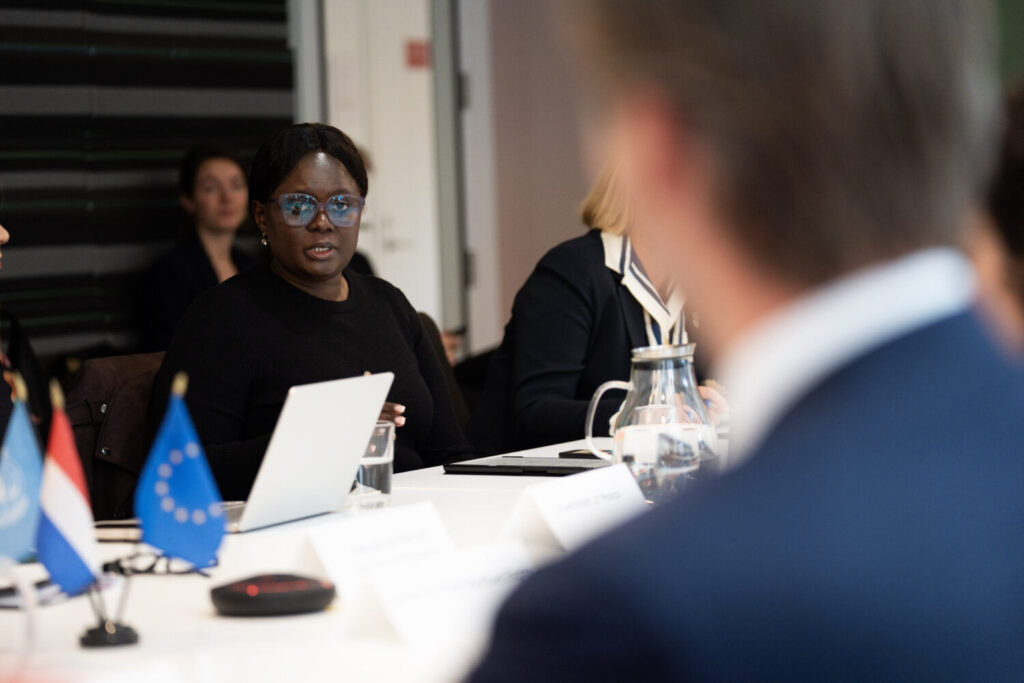
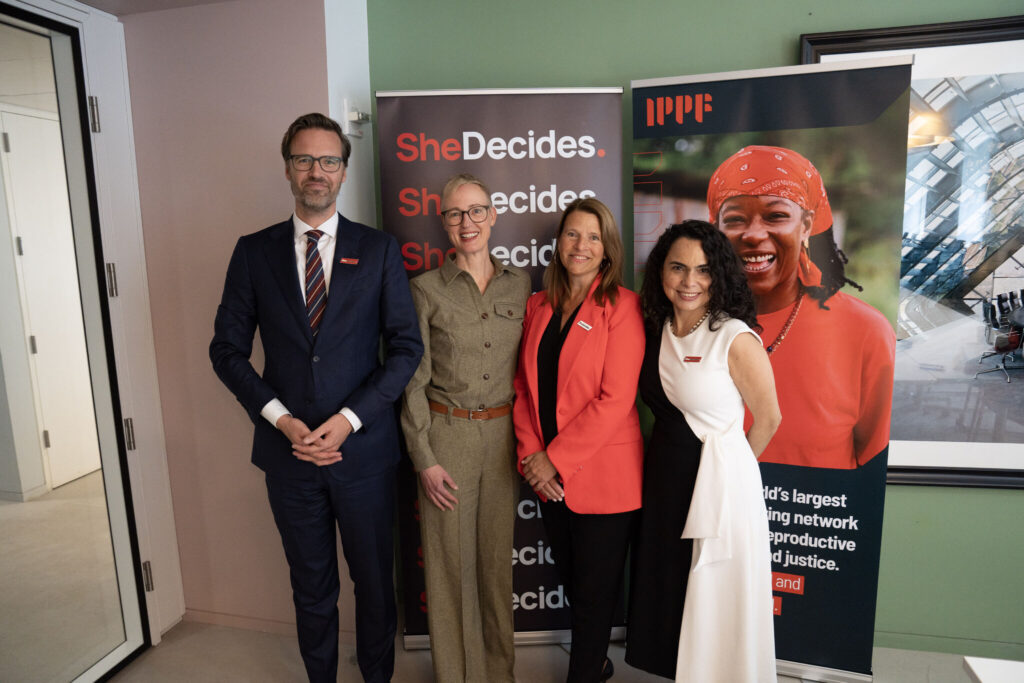
That was the central question driving a high-level Ministerial roundtable at the 81st UN General Assembly, co-hosted by Rutgers, IPPF, SheDecides and Aidsfonds. Bringing together government representatives from eight countries, alongside civil society and feminist movements, the roundtable focused on strategies to safeguard human rights and SRHR.
Representatives from the governments of the Netherlands, Norway, France, Ireland, Canada, Mexico, Brazil and the United Kingdom, joined civil society champions and feminist movements, to share lessons to flip the script on rising global conservatism, with a focus on protecting rights and expanding access to essential healthcare for women, girls and LGBTQI+ people. This roundtable was a start for further collaboration against anti-rights actors in the years to come.
The session was opened by Sjoerd Sjoerdsma, Minister for Foreign Trade and Development Cooperation of the Government of the Netherlands, who stressed the importance of working together to counter anti-rights actors. Sjoerdsma: “What we’re discussing today is of crucial importance,” he said, making the Dutch government’s commitment to countering anti-rights clear: “I see this in many ways as an existential fight, we must go on the offense. We strongly support the work you do. Diplomatically, politically, the Dutch government wants to be the best ally possible.”
Moderated by Maria Leon, Co-Executive Director of Youth Coalition for Sexual and Reproductive Rights, the discussion also highlighted the importance of young people in sustaining the fight for bodily autonomy. Maria-Antonieta Acalde Castro, Director General of IPPF, elaborated on the current tactics and impact of the global anti-rights groups, stressing that governments have a role to play in setting up broad strategies to counter the anti-rights actions: she stated: “Attacks on sexual and reproductive health and rights cannot be understood in isolation. They are part of a broader political effort to weaken rights-based frameworks, challenge democratic governance, and delegitimise the institutions that safeguard legal norms.”