

Youth-Led Action Resisting Anti-Rights Movements
30th January 2026
Around the world, a well-funded and highly organised “anti-choice” movement is finding a new face. Increasingly, anti-rights narratives are being packaged for a younger generation, spreading through slick social media campaigns, campus recruitment, and religious-political youth wings.
These movements aim to roll back decades of progress on Sexual and Reproductive Health and Rights, often framing restrictions as “protection” or in the name of “tradition.”
But this is only half the story.
While anti-rights groups seek to recruit the youth of today, we also see young people themselves who are standing at the forefront of resistance, and leading progress on SRHR for all.
From the digital landscapes of Southeast Asia to medical lecture halls in Europe and high schools in Rwanda, youth-led organisations and young activists are dismantling misinformation, building community-led safety nets, and demanding a seat at the policy table. Explore these stories of change: showing how young people are driving real solutions.
From Classroom to Clinic: Embedding Rights-Based Advocacy in Medical Training
The International Federation of Medical Students’ Associations (IFMSA) demonstrates how the fight against anti-rights narratives can be woven directly into the professional training of young people. Through a vast network of National Member Organisations spanning 123 countries, the IFMSA ensures that the next generation of doctors is equipped to defend rights-based care from the very start of their careers.
Their initiatives focus on dismantling the barriers to equitable health, including:
- Digital Literacy & Counter-Disinformation: Training students to identify and neutralize SRHR misinformation online.
- Ethics-Based Advocacy: Providing a foundation in human rights that challenges anti-choice rhetoric within the medical curriculum.
- Evidence-Based Care: Ensuring future providers prioritises science and patient autonomy over ideological pressure.
By empowering medical students to become advocates, IFMSA is building a global cohort of health professionals capable of challenging anti-rights agendas from within the medical establishment itself.
Fighting Digital Hate with Digital Hope: Building Trust and SRHR Visibility in Indonesia
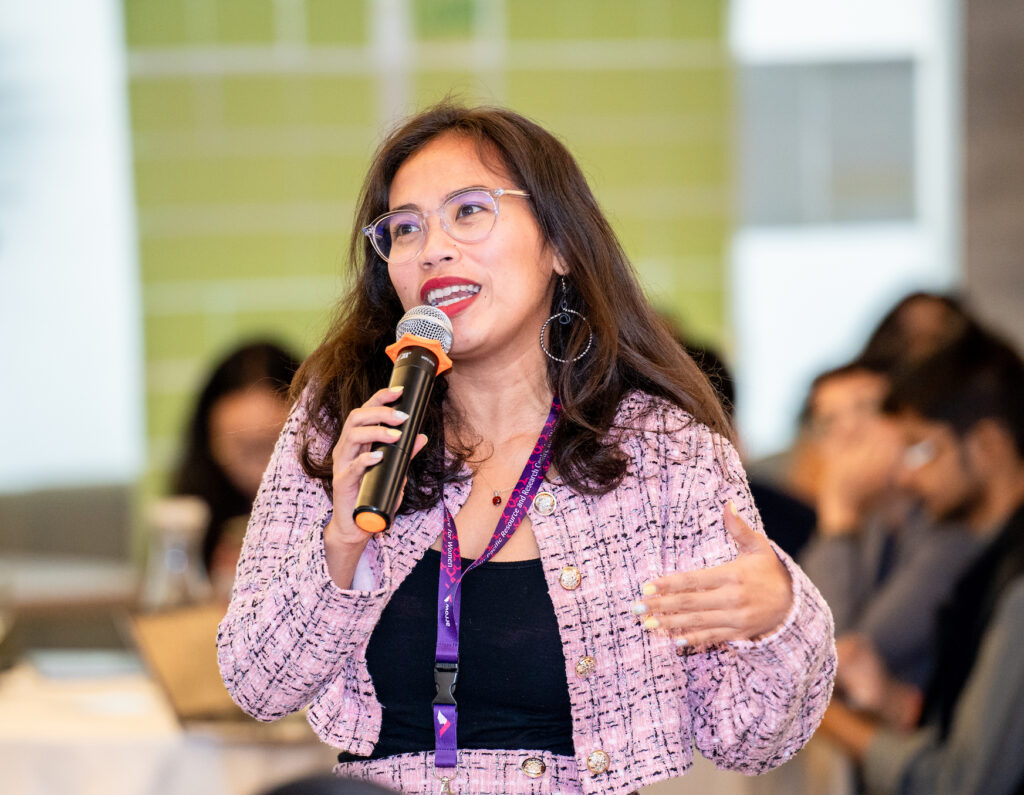
In Indonesia and across Southeast Asia, youth-led religious and political groups often spread anti-LGBT, anti-abortion, and anti-CSE agendas. Young people are fighting back by using social media. Dina from the Yield Hub, pushes back by making sexual and reproductive health and rights (SRHR) visible online, using the platform #SRHRBarbie. She produces content that reframes SRHR in culturally relevant ways, showing young people that their rights are not foreign imports but part of their lived realities.
Anti-choice groups often recruit by offering a sense of belonging through slick digital campaigns. To counter this, Dina and other content creators build online communities rooted in empowerment and trust. She also works with partners like Share-Net International, which documents fake abortion clinics and misinformation, giving young people access to reliable resources and safe choices.
Dina shares: “On the show, I bring on people audiences trust, like teachers, nurses, and sometimes a young ustadzah (female preacher), so it feels like neighbours talking. What work is consistent, kind, easy content that sounds like home and leaves a door open to facts and care.”
CSE and Collective Power: Strengthening Youth Networks to Expand SRHR Access in Rwanda
In Rwanda, the Health Development Initiative (HDI) has made youth advocacy central to expanding access to SRHR services. They work with youth engagement advisors to strengthen CSE in high schools and advocate to lower the age of consent for young people to access SRHR services. These efforts directly counter religiously backed anti-rights groups that seek to restrict access by requiring third-party consent. Beyond policy advocacy, HDI strengthens youth networks and consortiums that provide peer support and protect young activists from backlash. Linking grassroots mobilization with national policy engagement, this work shows how investing in youth leadership can create sustainable, systemic change and expand reproductive health access.
Diana, HDI, says: Building youth networks has not only amplified our advocacy but also created safe spaces where young activists feel supported and protected from backlash. Connecting grassroots voices to national policy can be challenging, especially when young people lack access to information about SRHR policies and practices. Yet, the impact we have seen in Rwanda while advocating for the removal of third-party consent for adolescents aged from 15 years to access health services – including SRHR services – proves that youth leadership can drive lasting change when we are trusted and meaningfully included.